December 1, 2025
Balancing Work, Family & School Breaks — Finding the Support You Deserve

Balancing Work, Family & School Breaks — Finding the Support You Deserve
Parenting is a full-time job in itself. Between getting everyone out the door in the morning, keeping up with work responsibilities, and finding time for meals, bedtime routines, and a little sleep, it can feel like there’s never enough of you to go around.
And then, just when you’ve finally found a rhythm, school breaks arrive.
The kids are out of school, your work schedule hasn’t changed, and suddenly you’re faced with the same impossible question so many parents ask every year:
How do I balance work, family, and everything in between?
If this sounds like you, you’re not alone.
Every day, we meet incredible parents who are doing their best to hold it all together while feeling like they’re being pulled in every direction.
At Charity Learning Academy, we believe no parent should have to do it all alone. You deserve support, community, and a place where your child can learn, play, and feel loved while you take care of the rest.
That’s what we’re here for.
The Modern Parent’s Challenge
Today’s families are busier than ever. Work doesn’t stop when the school year ends. Deadlines, meetings, and responsibilities continue, but traditional school calendars don’t always match your work schedule.
When schools close for holidays or seasonal breaks, working parents often scramble to rearrange their entire lives. Some turn to last-minute babysitters, while others try to balance conference calls with supervising crafts at the kitchen table.
And let’s be honest — it’s exhausting.
Many parents tell us the same thing:
“I feel pulled in every direction. I can’t do it all.”
That feeling isn’t a sign of weakness. It’s a sign that you care deeply about giving your child everything they deserve while still managing your responsibilities. The truth is, no one can do it all, and no one should have to.
You Don’t Have to Do It Alone
Charity Learning Academy was founded on one simple belief: parents need a village.
Raising children takes time, patience, and love. But it also takes support from others who share your values and understand what your family needs.
We see ourselves as part of that village. When you walk through our doors, you aren’t just enrolling your child in childcare. You’re joining a community of teachers, caregivers, and other parents who want to see your family thrive.
We know your days are full. We know you worry about giving your child enough attention when work demands more of your time. That’s why we’ve built a program designed for working families, offering childcare for working parents in Orlando that fits your schedule, your budget, and your child’s growth.
Our goal is simple. To make life a little easier for you and a lot brighter for your child.
How Charity Learning Academy Supports Working Parents
When parents talk about what makes our program special, they often mention one thing above all: peace of mind.
That peace comes from knowing their child is not just being cared for but is learning, playing, and growing in a safe and loving environment.
Here’s how we make that happen every day.
1. Flexible, Reliable Care
We understand that work schedules can change, and unexpected meetings or overtime can happen. Our flexible hours and dependable staff mean you can trust that your child is safe and cared for, even on those days when life gets unpredictable.
We also offer care during many school breaks and holidays, helping parents stay balanced and focused throughout the year.
2. A Focus on Learning and Growth
Our classrooms are more than just places for children to spend their day. They’re vibrant spaces where learning happens naturally through play, curiosity, and creativity.
From early literacy and math to art, music, and movement, every activity at Charity Learning Academy is designed to spark joy and discovery.
Children thrive when they’re given the freedom to explore, ask questions, and build confidence, and that’s exactly what we offer.
3. A Nurturing, Family-Like Atmosphere
Our teachers treat every child like their own. We know that trust is everything when it comes to childcare. Parents often tell us that once they meet our staff, their anxiety fades because they see the genuine care and attention each child receives.
Our classrooms are filled with laughter, encouragement, and gentle guidance. We believe children learn best when they feel safe and loved, and we create that environment every single day.
4. Consistent Communication with Parents
We believe strong partnerships between families and teachers are essential. Parents receive regular updates, photos, and notes about their child’s progress and daily activities.
Whether it’s your child’s first art project, a new skill they’ve mastered, or just a funny story from the day, we make sure you never miss a moment, even when you’re busy at work.
5. Affordable Childcare Options
We know that cost is a major concern for working families, which is why our mission has always included providing affordable childcare for working parents in Orlando.
We offer flexible payment options and programs designed to meet the needs of families at every income level. Quality education should never be out of reach, and we’re committed to making it accessible for all.
When You Feel Pulled in Every Direction
There are days when everything feels like too much. The laundry piles up, the inbox fills faster than you can answer, and your child just wants five more minutes of your attention before bed.
You love them more than anything, but sometimes you feel stretched so thin it’s hard to breathe.
If this sounds familiar, take a deep breath. You’re doing better than you think.
Parenting is not about being perfect. It’s about being present, showing up, and doing your best, even on the hard days.
At Charity Learning Academy, we understand those hard days. We’ve built our programs around the idea that parents shouldn’t have to carry everything alone. You can count on us to help shoulder the load, so you can focus on what really matters: spending quality time with your child when you’re together.
Creating a True Work-Life Balance
Work-life balance looks different for every family. For some, it’s about finding reliable care that allows them to focus on their careers without constant worry. For others, it’s about making sure their child spends the day in a positive, educational setting while they handle personal or professional responsibilities.
Whatever balance looks like for you, we’re here to help you find it.
At Charity Learning Academy, we strive to make each day easier by taking care of the details that matter most. From nutritious meals and engaging learning activities to individualized attention, we handle the small things that add up so you can breathe a little easier.
The Power of Routine and Consistency
Children thrive when they know what to expect. A consistent routine helps them feel safe, confident, and ready to learn.
Our daily schedule provides that structure while leaving plenty of room for creativity and fun. Morning songs, group activities, outdoor play, rest time, and hands-on learning are all carefully balanced to create a rhythm that supports both emotional and cognitive growth.
Parents often tell us how much this consistency helps at home, too. When children feel secure in their daily routine, transitions become smoother, and evenings feel less stressful for the whole family.
What Parents Are Saying
Nothing warms our hearts more than hearing how our program has made a difference in a family’s life. Here are just a few of the things parents have shared with us:
“I used to worry constantly about what to do during school breaks. Now, I know my kids are in a safe, loving place where they’re learning and having fun.”
“It feels like a family here. My son talks about his teachers all the time, and I can tell they really care about him.”
“I work full time, and Charity Learning Academy has been a lifesaver. I don’t feel like I’m choosing between my job and being a good parent anymore.”
Stories like these are why we do what we do. They remind us that every hour we spend teaching, caring, and nurturing is helping a family find balance and peace of mind.
Supporting You During School Breaks
School breaks can be one of the hardest times for working parents. The calendar changes, but your workload doesn’t. That’s where our school break and holiday care programs come in.
We offer fun, educational activities during times when traditional schools are closed. Children enjoy a structured yet exciting environment filled with crafts, games, storytelling, and outdoor play.
It’s not just a place to spend the day. It’s a continuation of learning and connection.
Parents love knowing their children are safe, happy, and engaged while they manage work or other commitments. And children love seeing familiar faces and staying connected with friends and teachers, even when school is out.
Why Our School Feels Like a Village
Raising children isn’t meant to be a solo journey. Historically, families relied on grandparents, neighbors, and community members for help and support. In today’s world, many parents don’t have that same built-in network.
That’s why places like Charity Learning Academy are so important.
We fill that gap by providing consistent, caring relationships for both children and parents. Our staff becomes part of your extended family. We celebrate milestones together, share challenges, and cheer for your child’s growth.
When you enroll with us, you’re not just finding childcare. You’re finding partners who are invested in your family’s success.
How to Know If You’ve Found the Right Support
Choosing childcare is one of the most personal and emotional decisions a parent can make. You want to be sure you’ve found a place that aligns with your values, meets your child’s needs, and makes you feel comfortable every single day.
Here are a few signs that you’ve found the right fit:
- Your child is excited to go each morning.
- You feel informed and included in what’s happening each day.
- Teachers greet your child warmly and know them by name.
- The environment feels clean, organized, and full of positive energy.
- You feel supported, not judged, as a parent.
If that’s the kind of experience you’re looking for, Charity Learning Academy is ready to welcome you.
How to Get Started
We make it easy for families to join our community and find the support they deserve.
Schedule a Visit.
Come see our classrooms, meet our teachers, and get a feel for our warm, family-centered environment.
Talk with Our Staff.
We’ll answer your questions about programs, scheduling, and tuition options. We’ll also help you find the best plan for your family’s needs.
Enroll with Confidence.
Once you’ve found your child’s perfect spot, you can relax knowing you’ve chosen a place where they’ll learn, grow, and thrive.
A Final Message for Every Working Parent
If you’ve ever felt like you’re falling short, juggling too much, or running on empty, please know this — you’re not alone.
You are doing something extraordinary every single day. You’re working hard, loving deeply, and giving your child everything you can. That deserves recognition and support.
At Charity Learning Academy, we see your effort, your love, and your dedication. And we’re here to make your journey a little lighter.
We’ll be part of your village. We’ll care for your child as our own. And together, we’ll help them build the confidence, curiosity, and kindness that will carry them for years to come.
So take a deep breath. You don’t have to do it all on your own.
Let us help you find the balance you deserve. Contact Us Today!
Interested? Learn More!
Charity Learning Academy
A trusted partner in childcare for working parents in Orlando.
Because every parent deserves support — and every child deserves a loving place to grow.
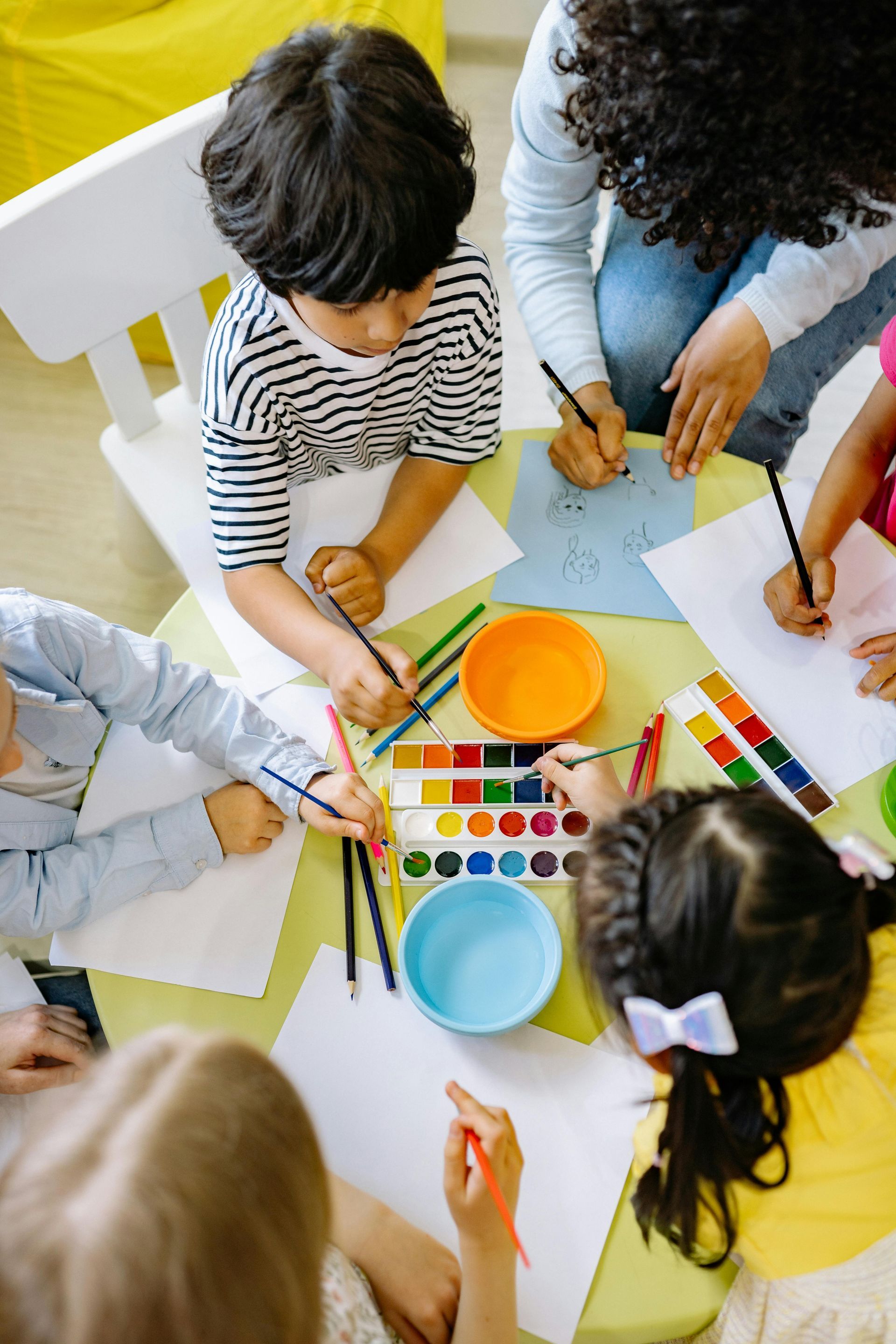
Why Winter Enrollment Sets Your Child Up for a Strong Spring When the holidays fade and a new year begins, parents often take stock of what’s next for their families. The decorations are packed away, the routines return, and many moms and dads find themselves asking, “Is it too late to enroll my child in preschool this year?” At Charity Learning Academy, we hear this question often. Parents worry that starting midyear might leave their child feeling behind or out of sync with others who began months earlier. But here’s the truth: winter enrollment can be one of the best decisions you ever make for your child. Starting now doesn’t mean catching up. It means getting a head start on the next stage. When your child joins a caring learning environment midyear, they don’t just fill a seat. They build momentum. They step into spring more confident, more connected, and ready to thrive. Let’s explore why enrolling your child in winter childcare in Orlando is such a powerful move and how it can make a lasting difference for your family. The Myth About “Starting Late” Many parents assume that preschool enrollment only makes sense at the beginning of the school year. It’s easy to think, “We’ll just wait until next fall.” But that delay can actually hold your child back from important opportunities for growth. Children are natural learners. They adapt quickly, form friendships easily, and soak up new experiences like sponges. Whether they begin in August, January, or March, they bring curiosity and energy into the classroom. In fact, joining midyear often helps children build confidence faster. They enter an environment where routines are already in place, peers are comfortable, and teachers can focus on giving them individualized attention as they transition in. So, rather than “starting late,” think of it as starting smart. Winter enrollment means your child gets to learn, explore, and grow now, while others are still waiting for next year. Momentum Matters: Learning Now Builds Confidence Later The early years are full of small steps that add up to big milestones. From learning colors and shapes to developing early reading skills and social confidence, every new experience strengthens a child’s foundation. When children join early learning programs in the 32805 area during winter, they gain months of extra practice in essential skills. This added time can make all the difference when spring and summer roll around. Here’s what that momentum looks like: Language and Communication Skills. Children who begin midyear start expanding their vocabulary sooner and learn to express thoughts clearly. Social Confidence. They meet new friends, learn how to share, and practice teamwork in real settings. Cognitive Growth. Through hands-on activities, games, and guided play, they begin to understand cause and effect, problem-solving, and creative thinking. Routine Mastery. By joining midyear, children adjust to structured days, making future transitions smoother. These moments may seem small, but they build up to something powerful. When spring arrives, your child will already have the confidence and curiosity needed to take on new challenges with enthusiasm. A Season of Growth and Discovery Winter may seem quiet on the outside, but inside our classrooms, it’s a season full of energy and exploration. At Charity Learning Academy, our winter program is carefully designed to capture children’s natural curiosity and channel it into meaningful learning experiences. Every day includes hands-on activities, creative play, and guided lessons that help children develop essential early skills. For example: Science activities like exploring snow, ice, and weather patterns inspire curiosity about the world. Art projects introduce new textures, colors, and materials, encouraging creativity and self-expression. Storytime sessions strengthen listening skills and spark imagination. Outdoor play builds physical coordination and helps children stay active and engaged even during cooler months. Winter is also a wonderful time for building emotional awareness. As routines settle after the holidays, children benefit from stable environments that nurture connection, empathy, and cooperation. When your child joins during winter, they don’t just catch up — they join a classroom community that is already thriving and ready to welcome them in. The Confidence Boost of Midyear Enrollment One of the greatest gifts of enrolling your child midyear is the confidence that comes from being part of a smaller, more focused transition. Because not all families enroll in winter, teachers have more time to provide personalized attention. This helps children adjust quickly and comfortably to their new environment. Our teachers at Charity Learning Academy are experts in helping new students feel at home. They take time to learn each child’s personality, interests, and comfort level. Through gentle guidance and encouragement, they help your little one build friendships, routines, and independence from day one. By the time spring comes, your child will feel like they’ve been part of the class all along — ready to bloom alongside their peers. The Science Behind Starting Early Decades of research confirm what educators already know: early childhood experiences shape the way children think, learn, and interact with the world for the rest of their lives. According to the Center on the Developing Child at Harvard University, more than one million neural connections form in a young child’s brain every second. That means every moment of early learning counts. When you choose winter childcare in Orlando, you’re giving your child access to valuable months of stimulation and growth that they might otherwise miss. Even a few months of additional guided learning can enhance memory, language, and emotional development. Simply put, the earlier children are exposed to a nurturing educational environment, the more confident and capable they become. How Winter Enrollment Helps Families Too Winter enrollment doesn’t just benefit children. It also brings relief and stability to parents who are juggling busy schedules after the holiday season. For many families, the post-holiday period can be overwhelming. Work routines pick up again, school calendars shift, and finding time for everything feels impossible. Having reliable childcare during this season gives parents peace of mind, knowing their child is in a safe, caring, and structured environment. Here’s how winter enrollment supports your whole family: Consistency. Regular routines reduce stress for both parents and children. Flexibility. Many programs, including ours, offer schedules that fit your family’s needs. Preparation for Kindergarten. Children gain valuable time practicing early learning skills before entering kindergarten or a new grade. Stronger Family Balance. Parents can focus on work and responsibilities without constant worry. When families feel supported, everyone thrives. That sense of balance and trust is what we strive to create at Charity Learning Academy every day. What Early Learning Looks Like in 32805 Our location in the 32805 area of Orlando is more than just a convenient spot for families — it’s a vibrant part of the community. We proudly serve working parents who want accessible, high-quality early education close to home. Our program blends structure and creativity to help children learn through play, exploration, and guided discovery. Classrooms are colorful and full of energy, with books, building blocks, art supplies, and learning stations that encourage hands-on experiences. Every day includes opportunities for: Interactive Learning. Teachers guide lessons that match each child’s developmental level. Social Skills Development. Children practice kindness, cooperation, and communication. Creative Play. Activities like painting, building, and music help children express themselves. Outdoor Adventures. Safe, supervised play areas allow for movement and exploration. Parents who join us midyear often notice positive changes in their children within just a few weeks. Improved communication, greater curiosity, and a stronger sense of confidence are common results of consistent participation in an early learning program. What Parents Often Ask About Starting Midyear Parents sometimes have questions about what to expect when enrolling their child during winter. Here are a few of the most common ones we hear — and reassuring answers we share. “Will my child feel behind?” Not at all. Our teachers are skilled at meeting children where they are. Every lesson can be adjusted to your child’s age and learning pace. Most children adapt quickly and often catch up within a few weeks. “What if my child is shy?” That’s completely okay. We take special care to help shy or hesitant children feel welcome and supported. Our teachers use gentle introductions, group games, and creative activities to encourage connection and confidence. “Is it worth starting now instead of waiting for fall?” Absolutely. Every week your child spends in a structured, nurturing environment helps strengthen social, emotional, and academic skills. By spring, they’ll already be comfortable in routines that set them up for long-term success. “Will my child have friends?” Yes. Children are naturally social. They form friendships easily, and our inclusive classrooms make it easy for new students to feel part of the group right away. Inside a Typical Winter Day at Charity Learning Academy A day at Charity Learning Academy is filled with discovery, laughter, and growth. From the moment children arrive, they are surrounded by warmth, encouragement, and opportunities to learn. A typical winter day might look like this: Morning Circle. Children sing, share stories, and talk about the day’s theme. Learning Centers. Small groups explore hands-on activities in literacy, math, and science. Creative Play. Kids paint, build, and imagine together in themed play areas. Outdoor Time. Weather permitting, everyone enjoys outdoor games and playground fun. Lunch and Rest. Nutritious meals and quiet rest periods give children time to recharge. Afternoon Exploration. Storytime, group projects, and music activities round out the day. Every moment is designed to nurture curiosity, confidence, and connection — the key ingredients for early success. How to Get Started with Winter Enrollment If you’ve been wondering whether winter childcare in Orlando is right for your family, now is the perfect time to take the next step. Spots are limited, but the process is simple and supportive from start to finish. Here’s how to begin: Schedule a Visit. Tour our classrooms, meet our teachers, and experience the welcoming atmosphere that families love. Speak with Our Enrollment Team. We’ll help you explore programs that match your child’s age, interests, and schedule. Register Your Child. Once you decide to join, we’ll guide you through the enrollment process and get your child ready for their exciting start. Our staff will be with you every step of the way, answering questions and ensuring a smooth transition for your child. The Ripple Effect: Learning Now, Confidence Later When children experience structured learning and social connection early, it changes how they approach the future. They become more comfortable with routines, more adaptable to change, and more eager to take on challenges. By choosing winter enrollment, you’re giving your child the gift of time — extra months to grow, explore, and practice the skills that lead to success. Come spring, that foundation will shine through in every way. You’ll see it in the way they speak, share, play, and think. You’ll see it in their confidence. A Message to Parents Who Are Still Deciding If you’re unsure about enrolling midyear, know that it’s normal to have doubts. You want to make the best decision for your child, and you want to feel confident about where they spend their days. At Charity Learning Academy, we want you to know that your timing is perfect. Starting now is not a delay — it’s an advantage. Every day your child spends in a safe, loving, and enriching environment brings new opportunities to grow. And we would be honored to be part of that journey. Because at the end of the day, early learning is not about when you start. It’s about how your child grows once they do. Start Strong This Winter The new year is a season of fresh beginnings. It’s the perfect moment to take action for your child’s future. If you’ve been waiting for a sign to start, this is it. Join the families across Orlando who are already seeing the benefits of early learning in 32805 and winter childcare in Orlando. Give your child the foundation they deserve — one filled with confidence, curiosity, and joy. Reach out to Charity Learning Academy today! Learn more about our programs and enrollment options! Together, let’s make this winter the start of something wonderful.

Fresh Start for 2025: Secure a Loving Place for Your Child Before Spots Fill Up The start of a new year always brings hope. A clean slate, a chance to start fresh, and the promise of something better for your family. For parents, that hope often centers around one thing: giving their child the best possible start in life. But here’s the truth that many parents in Orlando already know: finding quality preschool care that feels safe, nurturing, and affordable is not easy. If you’ve been worrying about where your child will grow, learn, and thrive in 2025, now’s the time to take action. Spaces at trusted programs like Charity Learning Academy fill up fast each year, and this time, we don’t want you to miss out. Because this year, we’ve saved a spot just for your child. Why Early Enrollment Matters Every parent wants to make the right decision for their little one. But when it comes to preschool and childcare, waiting too long to register can lead to disappointment and limited options. Think about it: the best programs tend to reach capacity months before the school year starts. That means families who wait until late in the season often find themselves on waiting lists, scrambling for alternatives, or settling for a program that doesn’t feel quite right. At Charity Learning Academy, we’ve seen it happen too many times; loving, dedicated parents who discover us just a little too late. That’s why we’re encouraging families to secure their child’s spot now for 2025. Early registration doesn’t just give you peace of mind, it ensures your child begins their preschool journey in a place where they’ll feel safe, supported, and excited to learn every single day. A Place That Feels Like Home When you walk into Charity Learning Academy, you can feel the difference. There’s warmth in the air. The kind that comes from laughter, curiosity, and care. Teachers greet children by name. Classrooms are filled with colorful books, creative art projects, and little voices proudly sharing what they’ve learned. We believe that children learn best when they feel loved and secure. That’s why every child in our program is treated like family. Our educators don’t just teach, they nurture. They take time to understand each child’s personality, strengths, and needs. Whether your little one is shy and observant or bursting with energy and ideas, they’ll find a place where they truly belong. It’s more than childcare. It’s a community built around compassion, learning, and growth. Building Strong Foundations for Bright Futures The early years are the most critical time in a child’s development. Research shows that between birth and age five, the brain forms more than one million neural connections per second; the foundation for language, problem-solving, and emotional intelligence. That’s why the right preschool experience can make all the difference. At Charity Learning Academy, our programs are designed to do more than prepare children for kindergarten — they prepare them for life. Our approach combines: Quality early education focused on literacy, math, and discovery-based learning. Creative expression through art, music, and imaginative play. Social-emotional growth that helps children develop confidence, empathy, and communication skills. Bilingual exposure for a multicultural, inclusive environment that reflects our Orlando community. Healthy routines that build independence, from washing hands to sharing toys to trying new foods. By nurturing the whole child: mind, heart, and body, we help children grow into confident learners and kind friends. “I Knew Right Away This Was the Place” Parents often tell us that they knew Charity Learning Academy was special the moment they walked through our doors. “It just felt different. Warm, calm, and happy,” says one Orlando parent. “My daughter ran straight to the play area and didn’t want to leave. That’s when I knew.” Another parent shared: “We were nervous because spots were filling up quickly, but we’re so glad we enrolled early. It gave us time to prepare, meet the teachers, and help our son transition smoothly. He loves coming to school now.” Stories like these remind us why we do what we do and why early registration truly matters. The Reality: Quality Care Spots Fill Up Fast If you’ve tried searching “preschool registration Orlando” lately, you’ve probably seen how competitive it can be. Between growing family populations and limited classroom sizes, affordable childcare in the 32805 area is in high demand. Most families start their search in late winter or early spring but by then, many quality programs (including ours) already have limited availability. We want to be transparent: at Charity Learning Academy, enrollment is capped to maintain small class sizes. That means once we reach our limit, we can’t open additional seats no matter how much we’d love to welcome everyone. So if you’re reading this and wondering whether to wait until after the holidays to register, here’s our heartfelt advice: don’t wait. A few weeks can make all the difference between securing a space and being placed on a waitlist. What Makes Charity Learning Academy Different Choosing a preschool isn’t just about convenience, it’s about trust. Parents choose us because they see a difference in how we care for children and partner with families. Here’s what sets us apart: 1. Affordable Tuition, Without Compromise We know quality childcare shouldn’t be out of reach. Our mission has always been to make excellent early education accessible to families in our community, including those seeking affordable childcare in 32805 and nearby areas. We offer competitive tuition rates, multiple payment options, and assistance programs that help ease financial stress. 2. Experienced, Compassionate Teachers Our teachers are the heart of Charity Learning Academy. They’re not just educators. They’re role models, mentors, and supporters who genuinely care about each child’s growth. Each staff member is trained in early childhood education, CPR, first aid, and child safety, ensuring your child is in expert hands. 3. Safe, Stimulating Environment From our bright classrooms to our secure outdoor play areas, everything is designed for learning through exploration. We follow rigorous safety and cleanliness standards to give parents peace of mind. 4. Family Partnerships We believe in open communication and collaboration. Parents receive updates, progress reports, and invitations to participate in classroom events because your involvement strengthens your child’s learning experience. 5. Culturally Inclusive, Community-Oriented Care Charity Learning Academy reflects the heart of Orlando: diverse, welcoming, and connected. Our bilingual staff helps children from all backgrounds feel seen and celebrated. A Day in the Life at Charity Learning Academy Imagine your child’s day at our center: The morning starts with smiles and warm greetings as your child joins friends for circle time. They sing songs, share stories, and talk about the day’s theme: maybe “Community Helpers” or “The Wonders of Nature.” Next comes learning through play: building towers, counting blocks, or identifying colors in art projects. Teachers guide and encourage without pressure, letting curiosity lead the way. During outdoor play, laughter fills the air as children explore, run, and play games together. Then it’s time for a nutritious meal, story time, and a cozy nap. By the end of the day, your little one is beaming — eager to tell you about their art project, new song, or friend they played with. That’s the magic of Charity Learning Academy: a day filled with joy, discovery, and love. How to Register for 2025 Ready to make 2025 your child’s year to shine? Here’s how to secure your spot: Schedule a Tour. Visit our Orlando campus and see our classrooms in action. You’ll meet our teachers, explore our learning spaces, and get a firsthand feel for our environment. Submit Your Application. After your tour, we’ll guide you through the registration process step by step. It’s quick, simple, and our team is happy to answer any questions. Reserve Your Spot. Once your application is approved, you can officially hold your child’s place for 2025. We’ll walk you through next steps, including orientation dates and welcome materials. We know life is busy. That’s why our staff makes the enrollment process as smooth and supportive as possible. And remember: the sooner you register, the more choices you’ll have for class schedules and programs. Frequently Asked Questions Q: What ages do you accept? We welcome children from infancy through preschool age . Each stage is thoughtfully designed to meet developmental needs and prepare for kindergarten readiness. Q: Are meals included? Yes! We provide balanced, nutritious meals and snacks daily, included in tuition. Q: What if my child hasn’t been in group care before? That’s perfectly okay. Our caring teachers specialize in helping new students adjust smoothly, building confidence one day at a time. Q: Do you offer bilingual education? Yes, our classrooms feature English and Spanish language learning through songs, stories, and play — giving children an early advantage in communication and cultural awareness. A Message to Parents from Our Team We understand that choosing the right preschool is one of the most important decisions you’ll make. You’re trusting us with your greatest treasure — your child. That’s not something we take lightly. At Charity Learning Academy, we’re honored to partner with families like yours to nurture, teach, and inspire the next generation. Our mission is simple but powerful: to create a space where every child feels loved, safe, and ready to explore the world. So as you plan for 2025, we encourage you to take this step with confidence. Don’t let limited spots or uncertainty hold you back. Your child deserves a joyful start and we’re here to make it happen. Don’t Wait! Start Your Child’s Journey Today The new year is almost here. Soon, classrooms will be filled with new faces, new friendships, and endless possibilities. Before those seats are gone, make sure your child’s name is on the list. Register today with Charity Learning Academy — where learning begins with love, and every child’s potential shines bright. We’ve saved a spot just for your child. Contact us now to learn more about preschool registration in Orlando or schedule a visit. Because 2025 is your child’s year to grow, thrive, and belong. It all starts here.

Early childhood education plays a pivotal role in shaping a child’s future, laying the groundwork for not only academic success but also the development of lifelong learning skills. The first few years of a child’s life are critical for brain development and learning, making this period an ideal time to instill the love of learning that will last a lifetime. At our preschool, we are dedicated to creating an environment where curiosity is encouraged, exploration is celebrated, and a passion for learning is nurtured. In this article, we’ll explore how early childhood education fosters lifelong learning and why it is essential for your child's growth and development. The Importance of Early Childhood Education in Lifelong Learning The early years are a critical period for a child’s brain development, with rapid changes occurring that lay the foundation for future cognitive, emotional, and social growth. Research has shown that children who receive high-quality early education are more likely to succeed in school and beyond. Early childhood education offers children the opportunity to build essential skills such as problem solving, critical thinking, communication, and collaboration all of which are key to becoming lifelong learners. Lifelong learning refers to the continuous, voluntary, and self-motivated pursuit of knowledge throughout an individual’s life. By fostering a love of learning at an early age, children are more likely to develop an intrinsic desire to explore new topics, seek out new experiences, and continually expand their understanding of the world. Early childhood education programs provide the first building blocks for this lifelong journey. Encouraging Curiosity and Exploration At our preschool, we understand that curiosity is the natural driver of learning. Children are born with an innate sense of wonder and a desire to explore the world around them. Our programs are designed to capitalize on this curiosity by offering rich, hands-on learning experiences that spark children’s interest and encourage them to ask questions, experiment, and explore. Whether through play-based learning, nature exploration, or interactive activities, we provide an environment where children can engage in the learning process actively and creatively. Encouraging children to ask questions, make discoveries, and solve problems on their own fosters the development of critical thinking skills. Children learn that their ideas are valued, which in turn motivates them to continue learning, asking questions, and seeking answers. This approach not only nurtures their intellectual development but also strengthens their confidence in their ability to learn independently. Promoting Emotional and Social Development Lifelong learning is not just about acquiring academic knowledge; it is also about developing the social and emotional skills necessary to thrive in life. Early childhood education offers children the opportunity to develop these skills in a safe and supportive environment. Through group activities, cooperative play, and interactions with teachers and peers, children learn how to communicate, share, collaborate, and resolve conflicts. These social skills are essential for building positive relationships and working effectively with others throughout life. They also contribute to emotional intelligence, helping children develop self-awareness, empathy, and the ability to regulate their emotions. Emotional and social development is foundational for becoming a lifelong learner, as it allows children to approach new challenges with resilience and a positive mindset. Moreover, emotional intelligence enables children to understand and express their feelings in a healthy manner, which is crucial as they encounter various situations and challenges throughout their lives. By providing a nurturing environment that emphasizes emotional growth, we help children build resilience and adaptability, which are vital for personal development and lifelong learning. Building Strong Foundations for Future Learning A strong foundation in early childhood education provides children with the skills and knowledge they need to succeed in later years. Our preschool curriculum focuses on developing key cognitive skills, such as problem-solving, language development, and basic math concepts. These foundational skills serve as building blocks for future academic learning and set children on a path toward success in school. However, the benefits of early childhood education extend beyond academics. The self-regulation skills children develop, such as the ability to focus, manage impulses, and follow instructions, are equally important for success in future learning environments. These skills help children engage more effectively in learning activities and provide them with the tools they need to stay motivated and committed to their education throughout their lives. In addition, early childhood education fosters a love of books and reading, which serves as the foundation for literacy skills. Reading to children at an early age, exposing them to new words, and encouraging them to engage with stories helps develop their vocabulary, comprehension skills, and cognitive abilities. These early literacy skills are essential for future academic success and foster a lifelong love of learning. Encouraging a Growth Mindset One of the most powerful ways to create lifelong learners is by fostering a growth mindset. A growth mindset is the belief that intelligence and abilities can be developed through effort, persistence, and learning from mistakes. At our preschool, we emphasize the importance of effort and perseverance, encouraging children to embrace challenges as opportunities for growth rather than obstacles to be avoided. By praising children for their hard work, creativity, and problem-solving abilities, we help them develop a positive attitude toward learning. They learn that it is okay to make mistakes and that failure is simply a stepping stone toward success. This mindset encourages children to take risks, try new things, and view challenges as opportunities to learn and grow, all of which are crucial for becoming lifelong learners. The growth mindset also nurtures resilience in children. They begin to understand that learning is a process and that overcoming difficulties is part of the journey. With this mindset, children are more likely to approach future challenges with confidence, determination, and a willingness to learn from their experiences. Fostering Independence and Responsibility Independence is a key component of lifelong learning. In our preschool, we provide children with opportunities to make choices, solve problems independently, and take responsibility for their actions. This helps children develop a sense of agency and ownership over their learning. They learn to trust their instincts, make decisions, and reflect on the outcomes of their choices. By promoting independence, we help children build the confidence and self-reliance they need to continue learning throughout their lives. As they grow, they learn to take initiative in their own education, seek out new opportunities for learning, and take responsibility for their personal and academic growth. Furthermore, fostering independence in young children helps them build time-management skills and self-discipline. These skills are essential for navigating the more complex learning environments they will encounter in the future, such as school and eventually the workplace. The ability to manage one’s time, stay organized, and prioritize tasks is an invaluable skill for lifelong learning. Incorporating Play Based Learning Play-based learning is a cornerstone of our preschool programs because it allows children to learn in a fun, engaging, and natural way. Through play, children develop important cognitive, social, and emotional skills that contribute to their overall growth and development. Play provides opportunities for children to experiment, take risks, and explore new ideas in a low-pressure environment, fostering creativity and innovation. At the same time, play-based learning encourages collaboration and teamwork, as children often engage in group play activities. This helps children develop social skills such as communication, cooperation, and problem-solving, which are essential for lifelong learning. Play allows children to practice and refine these skills in real-world contexts, preparing them for future success in both school and life. In addition, play-based learning supports the development of executive functions, such as working memory, flexible thinking, and self-control. These functions are crucial for academic achievement and lifelong learning, as they enable children to plan, focus, and adapt to changing circumstances. By engaging in play-based activities that challenge these skills, children are better equipped to succeed in future educational settings. Partnering with Families for Lifelong Learning We recognize that learning extends beyond the classroom and that families play a crucial role in supporting their child’s educational journey. At our preschool, we partner with families to ensure that learning continues at home and that children are encouraged to explore, question, and discover in their daily lives. We provide families with resources, strategies, and suggestions for fostering a love of learning at home, creating a seamless learning experience that extends throughout the child’s life. By working together with families, we ensure that children receive the support they need to become lifelong learners. Families are encouraged to be active participants in their child’s education, creating a learning environment that extends from preschool to home and beyond. Our post on what to expect from our infant care and early learning programs lays the foundation for fostering growth in young children, which naturally leads into how our preschool programs promote independence and confidence as children continue to develop their skills in a nurturing, supportive environment. Conclusion Creating lifelong learners is at the heart of early childhood education. Through play-based learning, emotional development, critical thinking, and the promotion of a growth mindset, our preschool programs help children develop the skills and attitudes necessary for success in school and life. By encouraging curiosity, fostering independence, and partnering with families, we ensure that children are equipped with the tools they need to thrive as lifelong learners. Early childhood education is the foundation upon which future academic, social, and emotional success is built, and we are committed to providing the best possible start for every child. By nurturing a love for learning, promoting independence, and developing emotional and social skills, we help children embark on a journey that extends far beyond their time in preschool. The skills, mindsets, and habits they develop during these formative years will serve them well throughout their lives, empowering them to continue learning, growing, and thriving as they face new challenges and opportunities.
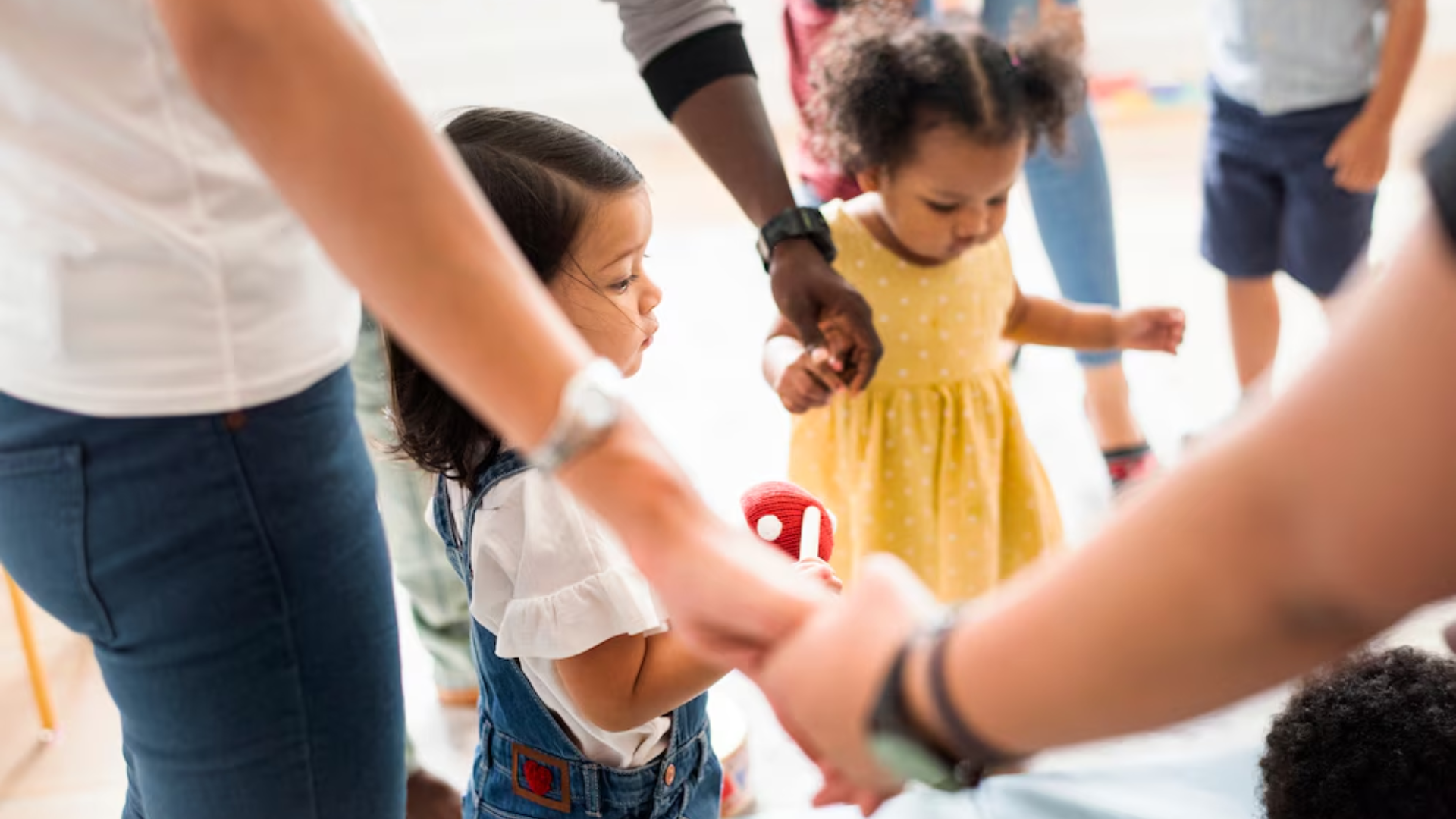
Early childhood is a crucial time for developing independence and confidence, two essential qualities that help children succeed both in school and in life. At our preschool, we recognize that promoting these traits from the beginning lays the foundation for future academic success, social well-being, and emotional growth. Our programs are carefully designed to foster a sense of independence in children while simultaneously nurturing their self-confidence. By creating an environment where children feel empowered to make choices, take initiative, and express themselves, we encourage them to develop the skills they need to become capable and self-assured individuals. In this article, we’ll explore how our preschool programs help children build independence and confidence through a variety of age-appropriate activities, interactions, and supportive strategies that focus on emotional growth, social development, and personal responsibility. Encouraging Independent Thinking One of the most important ways our preschool programs promote independence is by encouraging children to think for themselves. From the moment they walk through our doors, children are given the opportunity to make choices and decisions about their daily activities. Whether it's deciding which book to read, what to play with, or even which tasks to complete first, children are empowered to take ownership of their learning experiences. This autonomy allows them to feel in control of their actions and decisions, which is vital for building confidence. As children begin to make choices, they also learn to take responsibility for their actions. They understand that their decisions have consequences, both positive and negative, which helps them develop a sense of accountability. Over time, this practice strengthens their ability to think critically and make informed decisions, both of which contribute to their growing independence. Fostering Problem-Solving Skills Our preschool programs also focus on developing problem-solving skills, which are closely tied to both independence and confidence. By presenting children with age-appropriate challenges and tasks, we encourage them to think creatively and find solutions on their own. Whether it's solving a puzzle, figuring out how to build a structure with blocks, or resolving a conflict with a peer, children are guided to take the initiative in finding solutions. Teachers provide support when needed, but they also encourage children to try different approaches and think through problems independently. This process of trial and error builds resilience and the understanding that challenges can be overcome through effort and persistence. The more children experience success in solving problems on their own, the more confident they become in their abilities. Promoting Self-Expression and Communication Confidence often stems from feeling heard and understood. At our preschool, we prioritize self-expression and communication as key components of building confidence. Children are encouraged to share their thoughts, feelings, and ideas in both structured and unstructured settings. This could include engaging in group discussions, participating in show-and-tell activities, or simply having one-on-one conversations with teachers. By fostering an environment where children feel comfortable expressing themselves, we help them develop a sense of self-worth. When children feel confident in their ability to communicate, they are more likely to speak up, share their ideas, and contribute to group activities. These experiences promote a sense of autonomy, as children learn to advocate for themselves and make their voices heard in a supportive, nurturing environment. Building Social Skills and Independence in Group Settings While developing independence is important, it’s also essential for children to learn how to interact and collaborate with others. Our preschool programs emphasize social skills as an integral part of the curriculum. Children are given opportunities to work with peers, whether in group activities, playtime, or team-building exercises. This helps them develop important social skills like sharing, taking turns, compromising, and collaborating. By practicing these skills in a group setting, children not only gain confidence in their ability to interact with others but also learn to respect the independence of their peers. They develop an understanding that their actions and decisions can impact others, fostering empathy and a sense of community. At the same time, they learn how to advocate for themselves in social situations, further promoting their sense of independence. Nurturing Emotional Growth and Self-Regulation Emotional development is closely linked to both independence and confidence. Our preschool programs help children develop emotional intelligence by teaching them how to recognize and express their emotions in healthy ways. We provide opportunities for children to discuss how they are feeling and offer strategies for managing difficult emotions like frustration, anger, or sadness. By learning emotional regulation, children become more confident in their ability to manage their emotions independently. They also learn how to cope with challenges in a constructive manner, which further strengthens their sense of self-assurance. When children feel secure in their ability to manage their emotions, they are better equipped to take on new challenges and face obstacles with resilience. Encouraging Responsibility and Routine Routine and structure are important elements of our preschool programs, as they help children feel secure and confident in their daily lives. Children are taught to take responsibility for small tasks and chores, such as putting away toys, cleaning up after meals, or organizing their materials for the day. These tasks promote a sense of accomplishment and help children develop the skills they need to manage their personal responsibilities. As children learn to complete tasks independently, they begin to feel more capable and confident in their abilities. They understand that they can contribute to the group and take ownership of their environment. This sense of responsibility fosters self-esteem and gives children the confidence to take on bigger challenges in the future. Providing Supportive and Encouraging Teachers The role of teachers in promoting independence and confidence cannot be overstated. Our preschool educators are dedicated to creating a supportive, nurturing environment where every child feels valued and respected. They provide encouragement and positive reinforcement, recognizing each child’s individual strengths and progress. Teachers are attentive to the emotional needs of children, offering comfort and guidance when necessary, while also allowing children the freedom to explore and learn on their own. By offering a balanced approach of support and independence, our teachers create an environment where children feel confident in their abilities and empowered to take initiative. This fosters a sense of trust and security, which is essential for promoting independence and confidence in young children. Cultivating Leadership Skills Leadership is a natural extension of independence and confidence. At our preschool, we encourage children to take on leadership roles within the classroom. Whether it’s leading a group activity, helping younger children with tasks, or being the line leader during transitions, children are given opportunities to practice leadership skills in a safe, supportive environment. These experiences help children build a sense of pride and accomplishment, as they take on responsibilities and lead by example. They learn how to motivate and guide others, which fosters a strong sense of self-worth. As children experience the positive outcomes of their leadership efforts, their confidence grows, and they develop the belief that they can make a positive impact on their community. Our post on what to expect from our infant care and early learning programs highlights the essential elements of quality childcare, which ties in seamlessly with the discussion on why quality childcare makes a difference in your child's development, underscoring the significant impact of a supportive, enriching environment on a child's growth. Conclusion At our preschool, promoting independence and confidence is at the heart of our educational philosophy. We recognize that these qualities are essential for success in both academic and social settings, and we are committed to creating an environment where children feel empowered to take charge of their learning, express themselves, and develop the skills they need to thrive. By encouraging independent thinking, fostering problem-solving abilities, promoting self-expression, and nurturing emotional and social growth, we help children build a strong foundation for their future success. Through our carefully designed programs, children develop not only the academic skills they need but also the confidence and independence that will serve them throughout their lives.
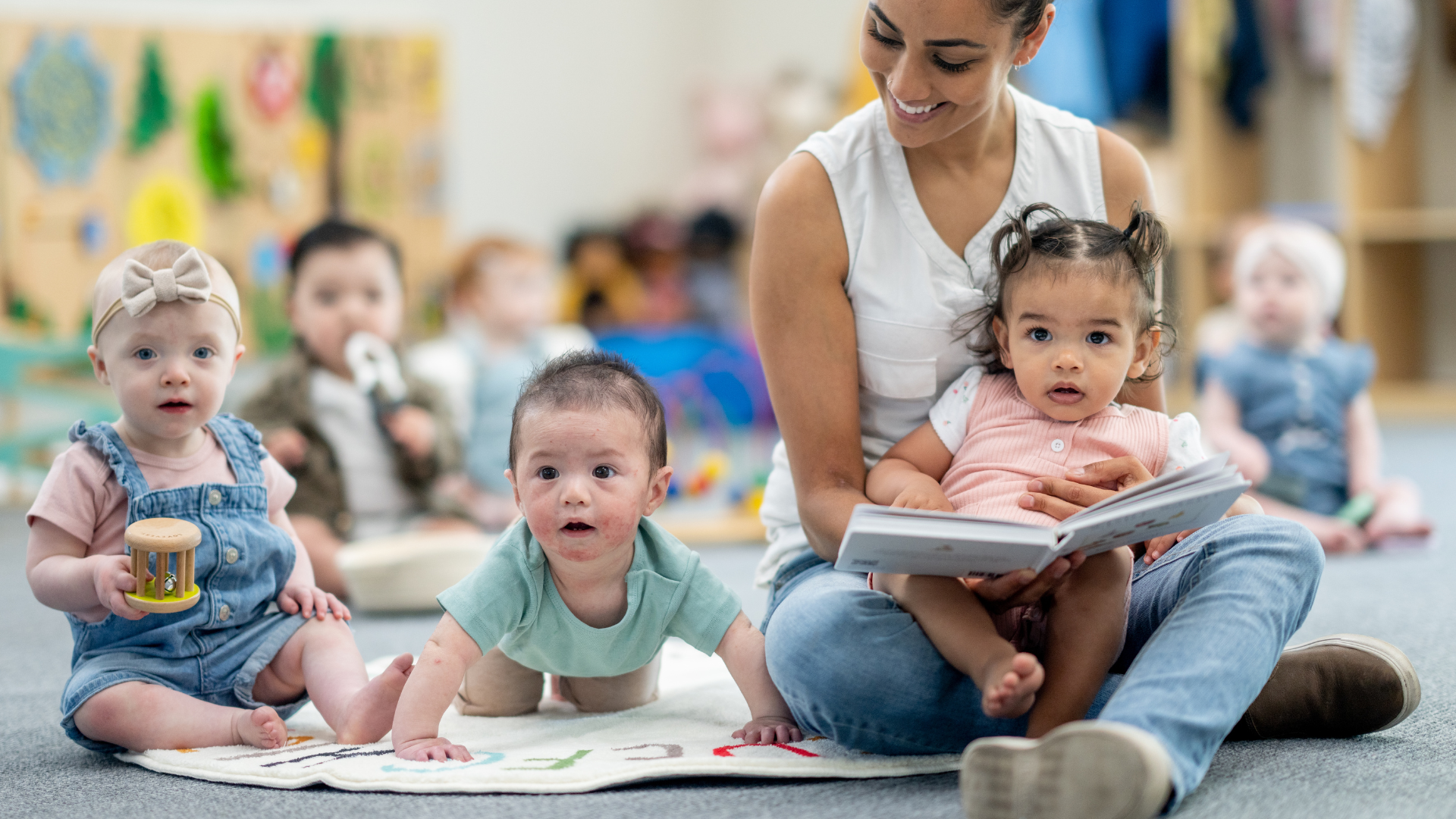
Choosing the right care and early learning environment for your infant is one of the most important decisions you’ll make as a parent. The first few years of life are critical for your child’s development, and providing a nurturing, stimulating, and safe environment during this time can have a lasting impact on their growth and future learning. At our facility, we are dedicated to offering exceptional infant care and early learning programs that focus on supporting each child's emotional, social, cognitive, and physical development in a safe and welcoming environment. In this article, we will guide you through what you can expect from our infant care and early learning programs, highlighting our approach, curriculum, and commitment to your child's development. A Nurturing and Safe Environment First and foremost, safety is our top priority. We understand that leaving your infant in someone else’s care can be a difficult decision, which is why we go above and beyond to ensure that every aspect of our facility is safe, secure, and conducive to your child’s development. Our classrooms and learning spaces are designed with safety in mind, with soft, non-toxic materials, age-appropriate furniture, and secure entry points to prevent any unauthorized access. In addition to providing a physically safe space, we also focus on creating an emotionally nurturing environment where your child feels loved, secure, and valued. Our caregivers are trained to provide responsive, individualized care to each infant, recognizing the importance of forming strong, positive attachments during this early stage of development. Infants thrive when they feel safe and secure, and we make sure to create a warm, caring atmosphere that fosters these bonds. A Focus on Cognitive and Language Development From the moment your infant enters our program, they begin to engage with the world around them in ways that promote cognitive growth. Infants are constantly learning, absorbing information from their environment, and building neural connections that will lay the foundation for future learning. We offer a variety of age-appropriate activities that stimulate your infant's brain development, including sensory play, visual stimulation, and interactive toys that encourage exploration. Our early learning programs also place a strong emphasis on language development. Even in infancy, children begin to absorb language through the sounds they hear around them. Our caregivers speak to infants regularly, reading to them, singing songs, and engaging in conversations—whether your baby can respond with words yet or not. This early exposure to language helps foster vocabulary growth, listening skills, and an early understanding of communication. Additionally, our staff follows strategies to promote cognitive growth, such as encouraging problem-solving, offering sensory activities that develop their fine and gross motor skills, and creating an enriching environment full of new and stimulating experiences that challenge their curiosity. Promoting Social and Emotional Development In the early stages of life, infants begin to develop the foundational social and emotional skills that will support their interactions with others throughout their lives. Our infant care and early learning programs create a supportive environment where babies can form strong emotional bonds, develop secure attachments with caregivers, and begin to understand the emotions of others. Through gentle, responsive care, we ensure that your infant’s emotional needs are met consistently. We respond to each baby’s cues, whether they need comfort, reassurance, or stimulation. Our caregivers are trained to recognize the signs of emotional distress and provide comforting responses that help infants feel secure. This emotional connection fosters trust, which is crucial for your child’s overall development. We also introduce activities that help babies develop social awareness, such as learning to share attention with others and observe social interactions. While infants may not engage in play with other children in the traditional sense, we create opportunities for them to be around their peers in group settings, allowing them to observe and begin to understand social dynamics. Supporting Physical Development and Motor Skills Physical development is another key focus of our infant care and early learning programs. From tummy time to crawling, sitting, and standing, infants make significant physical milestones in their first year. Our facility provides an environment that supports and encourages physical development by offering plenty of safe space for babies to move around and explore. We provide age-appropriate toys and activities designed to enhance both fine and gross motor skills. Babies begin to learn about their bodies and how to coordinate their movements through simple activities like reaching for toys, grasping objects, and crawling. Our caregivers also guide infants through exercises that help them develop strength, balance, and coordination, setting the stage for future physical milestones such as walking and running. Individualized Attention and Care Every child is unique, and we understand that each infant develops at their own pace. Our programs are designed to be flexible, allowing us to provide individualized attention to each child. Our caregivers are trained to observe your infant’s development closely, adjusting activities to meet their specific needs and interests. We maintain open lines of communication with parents to keep you informed about your child’s progress. Regular updates, whether through daily reports, parent-teacher meetings, or informal check-ins, ensure that you stay connected to your infant’s developmental journey. This collaborative approach allows us to work together to support your child’s growth and development. A Strong Focus on Healthy Habits In addition to cognitive, social, and emotional development, we place a strong emphasis on promoting healthy habits. Our infant care program includes a balanced and nutritious meal plan that supports your baby’s growth and development. We also emphasize the importance of establishing healthy sleep patterns, providing a calm and comfortable environment for naptime, and helping babies learn routines that support rest. Our caregivers are trained to monitor each infant’s physical and emotional well-being and take the necessary steps to ensure that babies are well-fed, well-rested, and content. We also support parents by offering guidance on infant nutrition, sleep routines, and other aspects of early development that can help set the foundation for a healthy lifestyle. Establishing Routines and Structure Babies thrive on consistency and routine, and we recognize the importance of providing a structured environment that supports your infant’s needs. While each day is filled with opportunities for learning and exploration, we also follow consistent routines that help babies feel secure and know what to expect throughout the day. This includes regular feeding schedules, naptimes, and opportunities for play. Routines help infants develop a sense of security and predictability, which is vital for their emotional well-being. A structured environment also supports learning by providing opportunities for focus and engagement during activities. Our caregivers are attuned to the needs of each infant, adjusting routines to accommodate individual sleep and feeding schedules while still providing the structure necessary for development. Preparing for Transitions As infants grow, they begin to move through various developmental stages that require different types of care and learning experiences. Our programs are designed to grow with your child, transitioning them from infant care to toddler programs with ease. We work closely with families to ensure a smooth transition between stages, helping your child adjust to new routines, activities, and environments. We also support transitions from home to care by maintaining an open line of communication with parents to understand your child’s specific needs and preferences. This collaboration ensures that your infant feels comfortable and secure as they become accustomed to their new learning environment. Our post onhow to foster social and emotional growth in toddlers ties directly into the insights shared in why quality childcare makes a difference in your child's development, emphasizing how a nurturing environment can significantly influence emotional and social milestones in early childhood. Conclusion Our infant care and early learning programs are built on the foundation of providing a nurturing, safe, and stimulating environment where your child can thrive. From promoting cognitive and language development to fostering emotional growth and physical milestones, we aim to create a well-rounded experience for your baby. Our commitment to individualized care, healthy habits, and structured routines ensures that each child receives the attention they need to succeed during these formative years. Choosing the right care for your infant is an essential part of supporting their early development, and we are here to provide a program that promotes growth in every area of your child’s life. With our experienced staff, carefully designed curriculum, and strong partnerships with families, you can trust that your infant will receive the highest quality care and early learning experience.

The early years of a child’s life are some of the most important for their development. The experiences they have in these early years significantly impact their cognitive, emotional, social, and physical growth. When it comes to shaping your child’s future, the quality of childcare they receive plays a pivotal role. High-quality childcare provides children with the foundation they need for academic success, emotional well-being, and positive social interactions. It nurtures them in ways that allow them to reach their full potential, fostering skills and attitudes that will stay with them throughout their lives. In this article, we will explore in detail why quality childcare is so crucial for a child’s development, how it impacts various aspects of their growth, and what you should look for when choosing the right childcare environment. The Early Years Matter Research has shown that early childhood is the most critical time for brain development. The brain grows at an astonishing rate during the first five years, with 90% of brain development occurring during this period. During these formative years, children’s experiences shape their ability to think, solve problems, interact with others, and regulate their emotions. These early experiences also have a profound impact on their ability to learn later in life. As a result, the type of care a child receives in their early years can influence the course of their entire development. This makes choosing a quality childcare program all the more important. Cognitive and Language Development Cognitive development in the early years is largely influenced by the environment in which a child is raised. In high-quality childcare environments, children are exposed to activities that stimulate their minds and encourage critical thinking. Simple, everyday activities like singing songs, telling stories, and engaging in pretend play all contribute to cognitive development. In these settings, children are encouraged to explore, ask questions, and discover the world around them, which strengthens their problem-solving skills and curiosity. Language development is also a key area of cognitive growth that benefits from high-quality childcare. Quality caregivers engage in conversations with children, modeling language, and expanding on their ideas. These interactions help children build their vocabulary, improve their communication skills, and become more comfortable expressing themselves. Moreover, early exposure to rich language environments—through reading, storytelling, and engaging in dialogue—helps children develop the linguistic skills they will need in school and beyond. Children who receive quality childcare are typically better equipped to express their ideas, understand others, and develop literacy skills, all of which are vital for their academic success. Social and Emotional Development The early years are crucial for developing emotional regulation, empathy, and social skills. In high-quality childcare programs, children are encouraged to interact with their peers in a safe, structured environment. They learn how to share, take turns, cooperate, and resolve conflicts in positive ways. These interactions help children develop key social skills, which are critical for building friendships, understanding others, and navigating the complexities of social relationships throughout their lives. Emotional development is also a key focus in quality childcare. Children need emotional support to develop self-regulation and understand their feelings. In quality childcare environments, caregivers provide a nurturing atmosphere where children feel safe to express their emotions. They are guided on how to manage frustration, disappointment, and other strong emotions. This emotional foundation allows children to build resilience, cope with challenges, and develop a positive self-image. When children learn to manage their emotions in their early years, they are better prepared to handle the ups and downs of life as they grow older. Physical Development and Health Physical development is just as important as cognitive and emotional development during the early years. High-quality childcare programs recognize the importance of fostering children’s physical growth through a variety of activities that promote motor skills and overall health. Physical play, such as running, jumping, climbing, and dancing, not only strengthens a child’s body but also supports the development of coordination, balance, and fine motor skills. Children in high-quality childcare programs are also encouraged to engage in outdoor play, which is vital for their health and well-being. Spending time outdoors allows children to engage in physical activity, breathe fresh air, and explore their surroundings. Studies have shown that children who spend time outdoors have better mental health, increased creativity, and improved attention span. In addition, quality childcare centers often focus on healthy eating habits, offering nutritious meals and snacks to support children’s growth and well-being. School Readiness and Long Term Academic Success One of the most significant long-term benefits of quality childcare is its positive impact on school readiness. Research has demonstrated that children who attend high-quality early childhood programs tend to do better in school and have higher academic achievement. They enter kindergarten with a strong foundation in key areas such as literacy, numeracy, and social skills, which helps them succeed academically. Moreover, children who attend quality childcare programs are more likely to exhibit a love for learning and a strong sense of curiosity. They are accustomed to structured learning environments and are more prepared to take on the challenges of formal education. These children also tend to develop positive attitudes toward school and learning, which can have a lasting impact on their academic journey. High-quality childcare also helps children develop the self-confidence and emotional maturity needed for success in school. When children feel supported and valued, they are more likely to take risks, ask questions, and engage actively in the learning process. These experiences contribute to their ability to thrive in academic settings and adapt to the demands of formal education. The Role of Caregivers and Educators A key factor in the effectiveness of any childcare program is the caregivers and educators who provide it. High-quality childcare programs employ caregivers who are not only knowledgeable about child development but are also nurturing, responsive, and empathetic. These caregivers understand that each child is unique and may have different needs. They work to create an environment where every child feels seen, heard, and valued. Quality caregivers also understand the importance of creating a balance between structure and flexibility. While children benefit from routines and consistency, they also need opportunities for free play and exploration. High-quality childcare centers prioritize individualized care, allowing children to follow their own interests while also ensuring they receive the guidance and support they need to learn and grow. In addition to the caregivers themselves, the physical environment of the childcare program is critical. A quality childcare setting is clean, safe, and designed to promote learning and development. The space should be organized in a way that encourages exploration and offers opportunities for children to engage in a variety of activities, such as reading, playing with blocks, creating art, and exploring sensory experiences. High-quality childcare centers also provide appropriate materials and resources that stimulate children’s creativity, imagination, and cognitive skills. How to Identify High Quality Childcare With so many childcare options available, it can be overwhelming to choose the right one. To help you make an informed decision, here are some factors to look for when evaluating childcare programs: Qualified Caregivers : Look for caregivers who are trained in early childhood education and have a deep understanding of child development. They should be compassionate, patient, and responsive to your child’s needs. Safe and Stimulating Environment : The childcare center should provide a clean, safe, and welcoming environment with plenty of opportunities for play and learning. Look for spaces that are rich in age-appropriate materials, books, and toys. Low Child-to-Caregiver Ratios : A lower ratio ensures that each child receives individualized attention. Smaller groups allow caregivers to engage more effectively with each child, providing more opportunities for learning and growth. Structured Curriculum : The childcare program should provide a balanced curriculum that promotes both structured activities and free play. A curriculum that encourages creativity, critical thinking, and problem-solving is essential for cognitive development. Health and Safety Practices : The childcare center should adhere to strict health and safety guidelines, including proper sanitation, nutritious meals, and regular health check-ups. Parental Involvement : High-quality childcare programs value partnerships with parents. They should keep you informed about your child’s progress and encourage communication between home and the childcare center. Our blog post on how to foster social and emotional growth in toddlers complements the ideas discussed in the power of early learning in shaping your child's future, highlighting the critical role early emotional and social development plays in a child's long-term success and well-being. Conclusion Quality childcare plays an essential role in shaping your child’s future. From cognitive and language development to emotional and social growth, the right childcare program provides a strong foundation for your child’s success in school and life. By choosing a high-quality childcare environment, you are giving your child the best possible start in life. This early support, guidance, and nurturing can have lasting benefits, helping children develop the skills they need to thrive academically, socially, and emotionally. The impact of quality childcare is undeniable, and it’s one of the most important investments you can make in your child’s future.
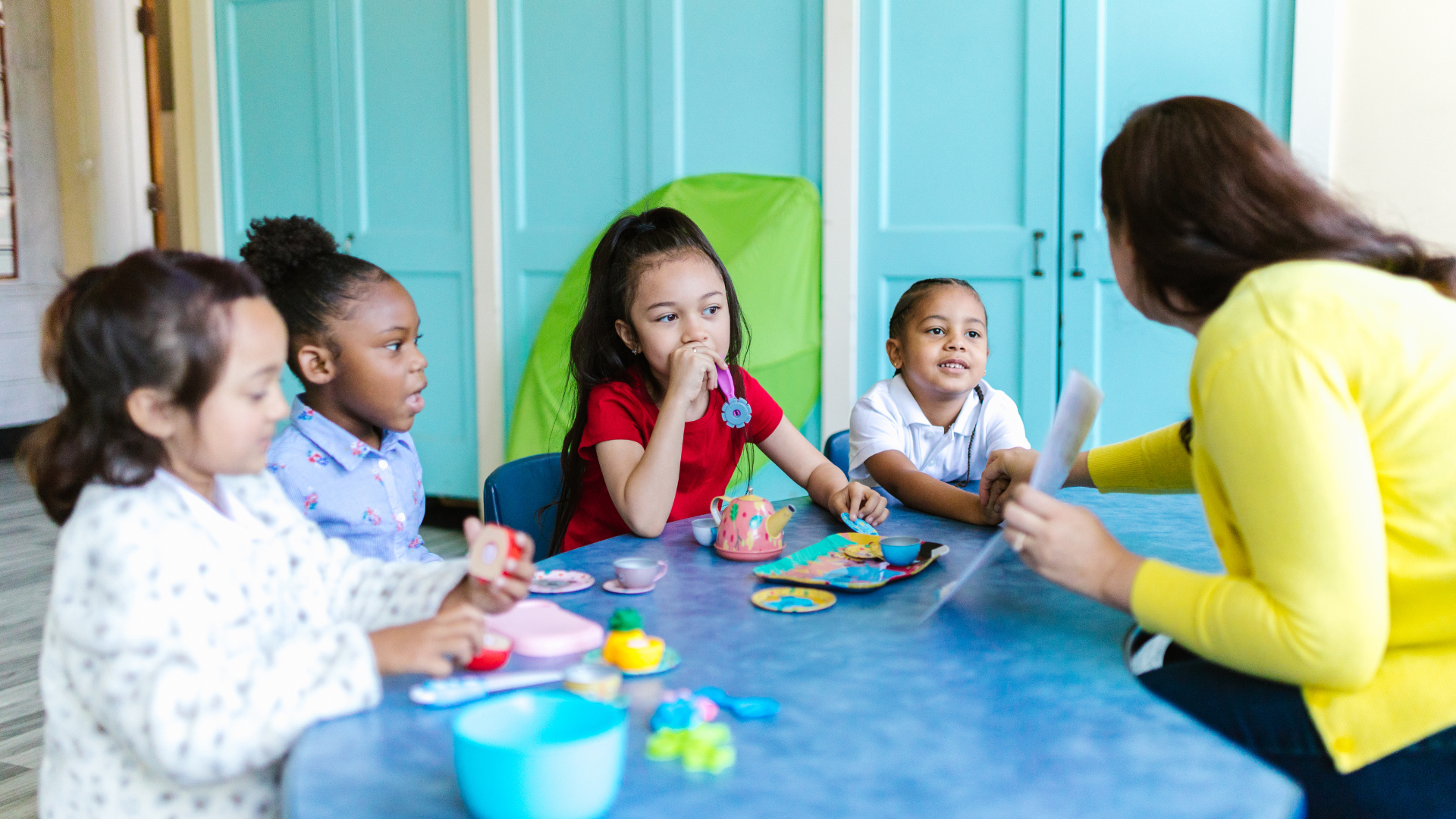
The toddler years are a time of rapid development in many areas, and social and emotional growth is particularly crucial. During this stage, toddlers begin to learn how to understand and manage their emotions, communicate their feelings, and interact with others. These foundational years set the stage for how children will navigate social situations and regulate their emotions throughout their lives. As parents and caregivers, it's essential to provide an environment that nurtures this growth and helps toddlers build the skills they need to thrive in their relationships and their emotional well-being. In this post, we’ll explore a variety of effective strategies that can help foster social and emotional growth in toddlers. From modeling emotional regulation to encouraging communication and social interaction, there are numerous ways you can support your toddler as they begin to navigate the complex world of emotions, relationships, and self-awareness. Why Social and Emotional Growth Matters The toddler years are often regarded as the most critical period for a child’s social and emotional development. These early years shape the way children will interact with others, how they express and regulate their feelings, and how they build connections with those around them. Developing strong social and emotional skills at this stage can have a profound impact on a child’s future success, including their ability to form meaningful friendships, engage in academic environments, and cope with challenges throughout their lives. In addition to forming healthy relationships, emotional intelligence—such as empathy, self-regulation, and self-awareness—helps toddlers navigate difficult emotions and challenges in positive ways. Whether it’s dealing with disappointment, frustration, or conflict, toddlers who have developed social and emotional skills are better able to manage these situations calmly and with resilience. Fostering social and emotional growth from an early age not only benefits a child’s development but also sets them on a path toward positive mental health and well-being later in life. Let’s explore how you can help your toddler build these essential skills. 1. Model Healthy Emotional Expression One of the most important ways toddlers learn about emotions is by observing the adults around them. As caregivers, it’s essential to model healthy emotional expression. When toddlers see adults express their feelings in a balanced and constructive way, they learn how to regulate their emotions and express themselves appropriately. For example, when you experience frustration, instead of acting out, model how you cope by saying, “I’m feeling frustrated right now because I can’t find my keys, but I’m going to take a deep breath and try again.” By hearing these words, toddlers learn that it’s okay to feel upset and that it’s possible to manage those feelings calmly. They will start to understand that emotions are a normal part of life and that there are healthy ways to express and deal with them. Similarly, when you show affection, express love, or offer comfort, you’re teaching your toddler that emotions like happiness, love, and empathy are positive and should be shared with others. Be mindful of your tone of voice, body language, and words as these all play a role in how toddlers interpret emotional situations. 2. Encourage Communication Through Words As toddlers begin to develop their language skills, it’s important to encourage them to express their feelings with words. The more toddlers can identify and articulate their emotions, the better equipped they will be to navigate social situations and resolve conflicts. Encouraging communication begins with simply listening to your toddler and acknowledging their feelings. If your toddler is upset, say things like, “I can see you are sad because your toy broke. It’s okay to feel sad, and I’m here to help.” Encouraging your toddler to name their feelings—whether it's happy, sad, mad, or scared—teaches them that their emotions are valid and that it’s important to express them. Additionally, asking open-ended questions, such as “How do you feel today?” or “What made you happy this morning?” helps toddlers develop their vocabulary and emotional awareness. By regularly engaging in conversations about feelings, you provide toddlers with the words they need to understand and express what’s going on inside. Reading books about emotions is another excellent way to encourage language development and help toddlers understand different feelings. Books like The Color Monster by Anna Llenas or Glad Monster, Sad Monster by Ed Emberley introduce toddlers to a variety of emotions and help them identify how they might feel in different situations. By incorporating these stories into your routine, you’re giving toddlers both language and emotional tools they need to navigate the world around them. 3. Provide Opportunities for Social Interaction Toddlers learn social skills by interacting with others. Whether it’s through play with siblings, friends, or adults, toddlers are constantly learning about how to take turns, share, cooperate, and communicate with others. These early social experiences help them develop essential skills like empathy, cooperation, and negotiation. As a parent or caregiver, providing opportunities for social interaction is vital. Setting up playdates, taking your toddler to group classes or community events, or simply allowing them to interact with other children at a park can offer them the chance to practice these skills. Remember that toddlers are still learning how to manage their impulses, so it’s not uncommon for them to grab toys, push, or become upset. Patience is key as you guide them through these early social experiences. Model appropriate behavior by demonstrating how to greet others, how to share, and how to express oneself politely. For instance, if your toddler is playing with a toy and another child wants to join in, you can gently remind them to share by saying, “It’s nice to share with your friend. Can you take turns with the toy?” Additionally, toddlers benefit from structured activities that promote cooperative play. Games that require waiting for a turn, building together, or solving problems together foster social skills and cooperation. Simple board games, art projects, or group activities teach toddlers how to work as a team and navigate the ups and downs of social interactions. 4. Establish Consistent Routines and Boundaries Consistency and routine are essential for helping toddlers feel secure, which in turn allows them to regulate their emotions. Having a predictable schedule can help toddlers know what to expect each day, reducing feelings of anxiety or uncertainty. For example, having a regular mealtime, nap time, and bedtime routine helps toddlers feel safe and confident. Boundaries are equally important in fostering emotional growth. Setting clear, age-appropriate boundaries and expectations helps toddlers understand what behaviors are acceptable and what are not. For instance, if a toddler is throwing a tantrum because they can’t have something they want, calmly explain that their behavior is not acceptable and offer an alternative or solution. Consistency is key when it comes to enforcing boundaries. When a toddler is consistently told that hitting or yelling is not okay, and that there are consequences for such behavior, they will begin to internalize these limits and learn how to express themselves in healthier ways. However, it’s also important to be flexible. Sometimes, toddlers need to test boundaries to understand their limits. In these cases, it’s helpful to remain patient and use gentle reminders to guide them toward more appropriate behaviors. 5. Teach Empathy and Compassion Empathy is the ability to understand and share the feelings of another person. It’s a crucial social-emotional skill that helps children form meaningful connections with others and build strong, supportive relationships. Teaching toddlers to recognize and respond to the emotions of others can begin with small steps. For example, if your toddler sees another child upset, you can prompt them by saying, “Your friend is feeling sad because they dropped their toy. How do you think they feel? What could we do to help?” This simple exercise helps toddlers recognize the emotions of others and gives them a chance to practice responding with kindness and empathy. You can also encourage empathy by using books, role-playing, or storytelling to explore different emotional scenarios. When reading stories together, ask your toddler questions like, “How do you think the character feels when that happens? What could they do to feel better?” This encourages toddlers to consider other people’s perspectives and teaches them how to respond with care and understanding. 6. Reinforce Positive Behavior with Praise Positive reinforcement is a powerful tool in encouraging the desired behaviors in toddlers. When toddlers exhibit social and emotional behaviors that reflect empathy, kindness, or self-regulation, be sure to praise them for their efforts. This reinforces the behavior and helps them understand what is expected. For instance, if your toddler shares a toy with a peer or expresses their feelings calmly instead of acting out, praise them by saying, “I love how you shared with your friend today. That was very kind!” Positive reinforcement helps toddlers feel proud of their actions and motivates them to repeat those behaviors in the future. It’s important that praise is specific and focused on the behavior you want to encourage. Instead of general praise like “Good job,” try saying, “I’m so proud of you for using your words to ask for a turn with the toy. That’s how we solve problems!” Our blog post on why our curriculum focuses on nurturing every child's potential aligns with the insights shared in the power of early learning in shaping your child's future, emphasizing how foundational early education plays a pivotal role in fostering a child's growth, development, and future success. Conclusion Fostering social and emotional growth in toddlers is one of the most important things you can do to help set them up for success. By providing them with the tools they need to understand and manage their emotions, communicate effectively, and interact with others in a positive way, you are laying the foundation for their future well being. Remember that toddlers are still learning how to navigate the complex world of emotions and social interactions. They need guidance, patience, and lots of support from the adults around them. By modeling healthy emotional expression, encouraging communication, providing opportunities for social interaction, and setting clear boundaries, you are helping your toddler build the social and emotional skills that will serve them for a lifetime. As your toddler grows, these foundational skills will help them build strong, supportive relationships, handle challenges with resilience, and thrive in social settings. Your role as a caregiver is essential in helping your toddler become an emotionally intelligent and socially confident individual. By nurturing their social and emotional growth, you are giving them the tools they need to navigate the world with confidence, kindness, and empathy.
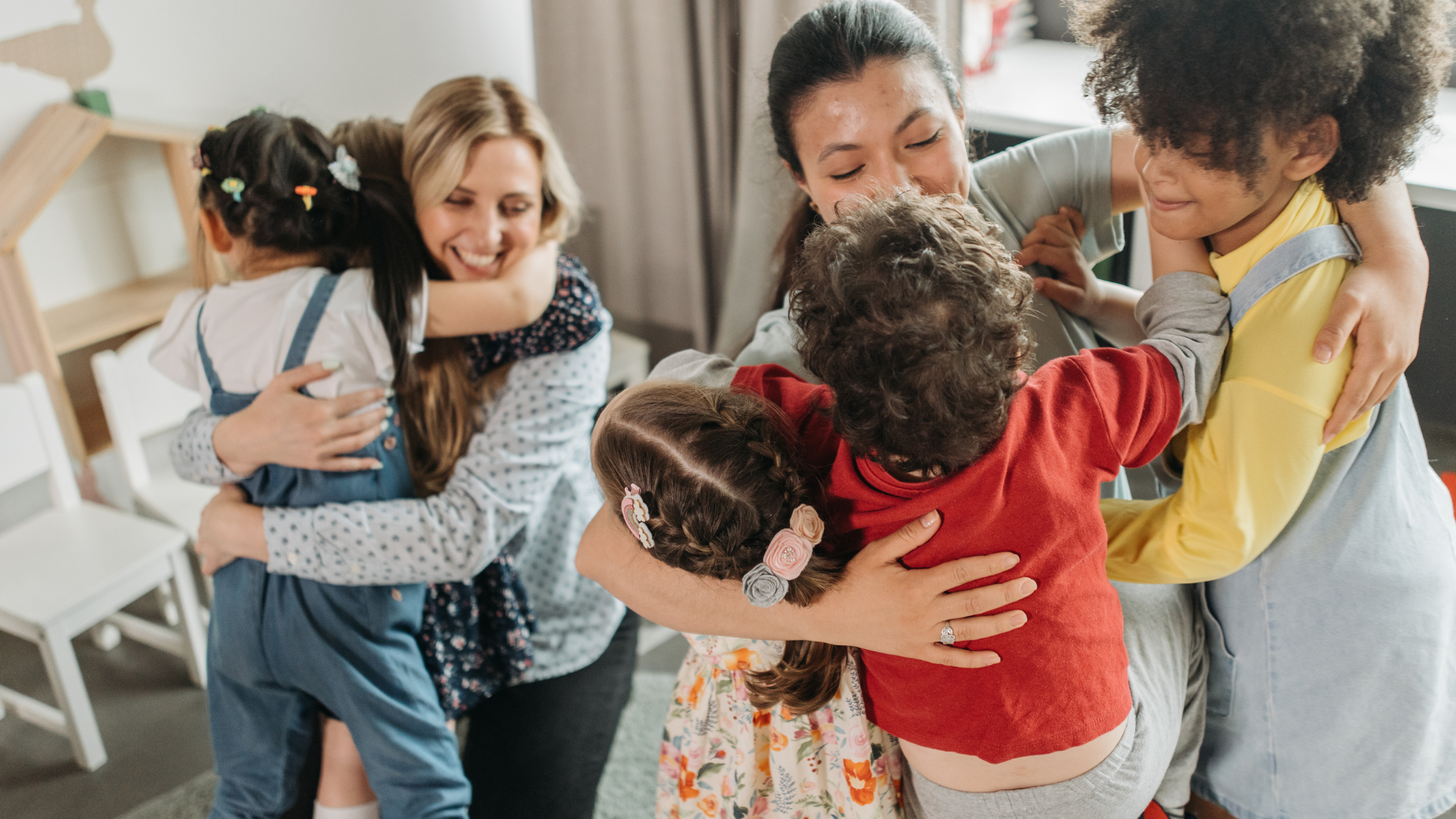
The early years of a child’s life are filled with rapid growth, new experiences, and the foundational development that will influence their future. The experiences children have from birth to age five can shape not only their academic trajectory but also their social, emotional, and cognitive development. This is why early learning is not just an option, but an essential investment in a child’s future. By providing a nurturing, stimulating, and supportive environment, we lay the groundwork for a lifetime of success, confidence, and curiosity. In this blog post, we will explore the profound impact that early learning can have on a child’s future and why high-quality early childhood education is one of the best gifts you can give your child. The First Five Years: The Most Critical for Development Research consistently shows that the first five years of a child’s life are the most critical for brain development. During this time, the brain forms more than one million neural connections every second. These connections are the building blocks for cognitive, emotional, and social abilities that a child will use for the rest of their life. Children’s brains are particularly sensitive to the experiences they encounter during these early years. Positive experiences, such as engaging with caregivers, participating in structured learning, and having opportunities for exploration, help create a solid foundation for learning. On the other hand, negative experiences, such as neglect or inconsistent care, can hinder brain development and lead to challenges in later years. By investing in high-quality early learning, you are ensuring that your child receives the right mix of stimulation, support, and interaction to foster their brain development in the most beneficial ways possible. Early Learning Promotes Cognitive and Academic Skills One of the most significant benefits of early learning is the development of cognitive and academic skills that children will use throughout their lives. Early childhood education provides children with opportunities to develop language, literacy, and numeracy skills long before they enter kindergarten. Through engaging activities such as reading books, playing word games, and solving puzzles, children begin to understand important concepts that will form the foundation for later academic success. These early skills not only help children perform better academically, but they also give them the confidence to engage with new learning experiences. For example, children who are exposed to books and storytelling early on develop stronger language skills and a deeper love for reading. Children who engage in activities like sorting objects by shape and color or practicing counting build critical thinking and problem-solving skills that are essential for success in math and science. Moreover, early learning encourages curiosity, allowing children to ask questions, explore answers, and engage in hands-on learning. This builds a sense of wonder and excitement for learning that will stay with them as they grow older. Social and Emotional Growth Beyond cognitive development, early learning also plays a crucial role in a child’s social and emotional growth. Preschool environments offer children the chance to interact with peers, navigate social situations, and develop the essential social skills they will need for the rest of their lives. Through structured play, group activities, and collaborative projects, children learn how to share, cooperate, and resolve conflicts. They also begin to understand their own feelings and how to express them appropriately. This early emotional intelligence sets the stage for stronger relationships with peers, teachers, and family members as the child grows. Moreover, early childhood education fosters self-regulation and independence. Children learn to manage their emotions, follow directions, and take responsibility for their actions. These emotional skills are vital for school success and life in general, as they allow children to approach challenges with resilience and patience. Building Strong Foundations for Lifelong Success The impact of early learning extends far beyond preschool. Children who receive high-quality early education are more likely to excel academically, graduate from high school, and pursue higher education. They also tend to have better social skills, stronger self-esteem, and higher career success later in life. Studies have shown that children who attend preschool are more likely to perform well in reading and math in elementary school, and they are less likely to experience behavioral problems. They are also more likely to finish school and go on to successful careers. The skills and knowledge children gain in early learning environments lay the groundwork for a bright future. Furthermore, early learning has long-term economic benefits. By investing in early childhood education, society as a whole benefits from a more educated and productive workforce. The long-term returns on early learning investment include reduced crime rates, improved health outcomes, and greater economic stability. The Role of Play in Early Learning Play is a cornerstone of early childhood education, and it plays an essential role in a child’s cognitive, social, and emotional development. Through play, children develop creativity, problem-solving skills, and the ability to think critically. Imaginative play, for instance, helps children understand and express their emotions, experiment with different scenarios, and build empathy by putting themselves in others’ shoes. Physical play helps children develop coordination, balance, and motor skills while fostering social interactions with their peers. Structured play activities, such as group games or educational games that involve learning shapes, colors, or numbers, also build foundational academic skills in a fun and engaging way. By encouraging both free and guided play, early learning environments provide children with the space to explore, discover, and learn in an organic and enjoyable manner. Preparing for the Future: Lifelong Learning Skills One of the greatest gifts early learning can provide is the ability to approach new challenges with a growth mindset. When children are given the opportunity to solve problems, think critically, and learn through trial and error in a supportive environment, they develop lifelong learning skills. In today’s rapidly changing world, the ability to adapt, think critically, and continue learning throughout life is more important than ever. Early learning fosters these skills by encouraging children to ask questions, explore solutions, and reflect on their experiences. This mindset of lifelong learning is one that will serve them well in their personal and professional lives. Our blog post on why our curriculum focuses on nurturing every child's potential beautifully complements insights from how our before and after school programs keep kids engaged, demonstrating how we provide consistent, enriching experiences that foster children's growth and development throughout the day. Conclusion The power of early learning in shaping a child’s future cannot be overstated. By providing a nurturing, stimulating, and supportive environment in the early years, we set the stage for a lifetime of learning, growth, and success. Early learning offers children the opportunity to develop essential cognitive, social, emotional, and physical skills that will benefit them for years to come. As parents and caregivers, investing in your child’s early education is one of the best decisions you can make. The experiences they have during these formative years will not only help them thrive in school but also empower them to approach life’s challenges with confidence and resilience. At our early learning center, we are dedicated to helping every child reach their full potential. Through a rich curriculum, expert guidance, and a loving environment, we aim to provide children with the tools they need to succeed both now and in the future. If you are looking for a nurturing space where your child can grow, learn, and explore, we invite you to learn more about our programs and how we can support your child’s journey.
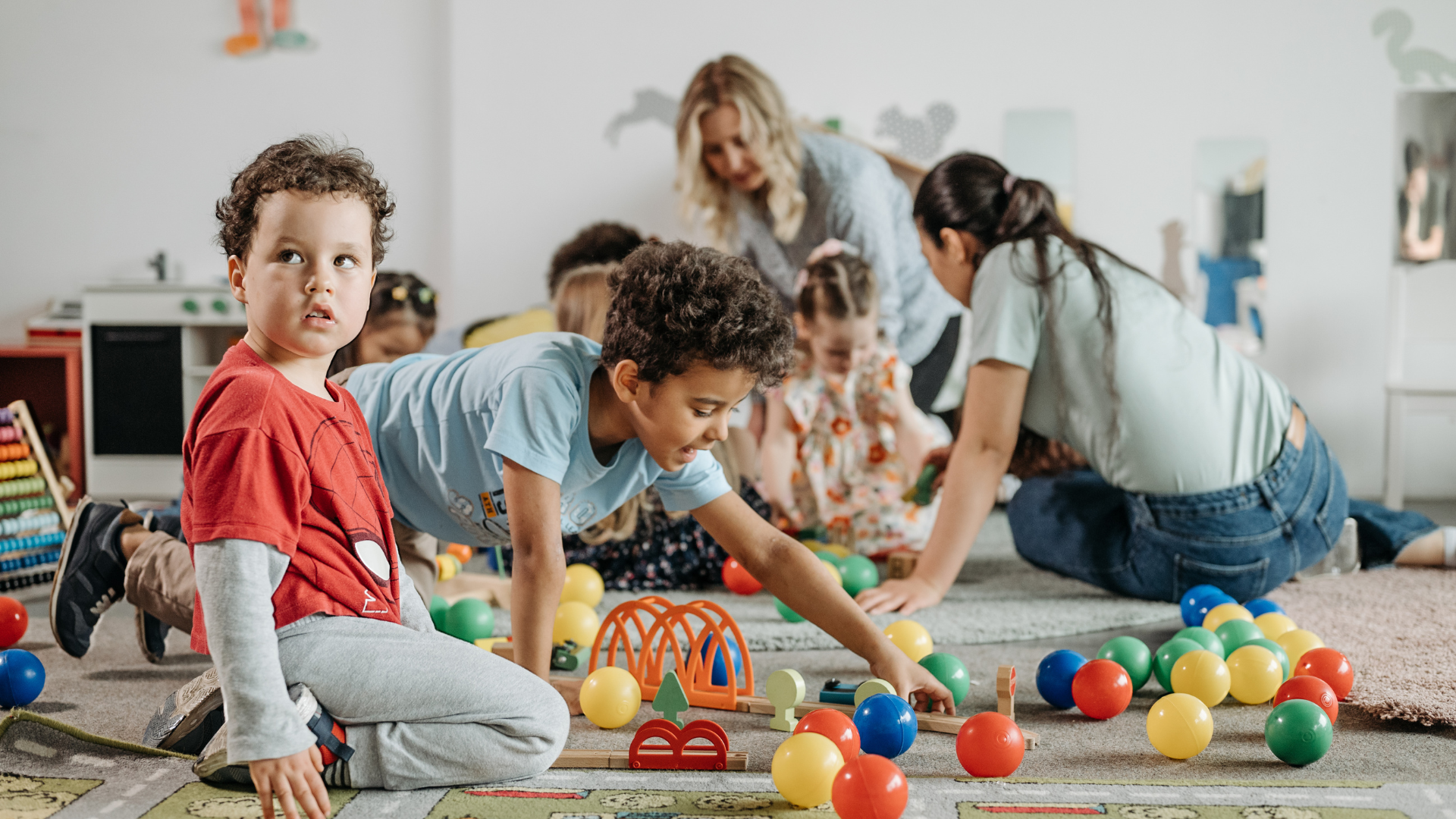
Every child enters the world with a unique blend of talents, curiosities, challenges, and dreams. At the heart of early childhood education is the belief that each child deserves the chance to explore their full potential in a safe, supportive, and inspiring environment. That is why our curriculum is built not only on academic readiness but also on nurturing the whole child intellectually, socially, emotionally, and physically. Children are not one-size-fits-all learners. Some thrive in structured settings, while others shine through creative play. Some love books and language, while others express themselves through movement and art. A high-quality curriculum should do more than prepare children for the next grade. It should help them discover who they are, what excites them, and how to build the skills that will carry them through a lifetime of learning and growth. Let us take a closer look at why our approach to curriculum development is rooted in nurturing each child’s individual potential and how that focus leads to deeper learning, greater confidence, and stronger foundations for future success. A Whole-Child Approach to Early Learning Our curriculum begins with a simple philosophy, children learn best when their hearts, minds, and bodies are all engaged. That means we focus not only on cognitive development but also on emotional wellbeing, social connection, and physical growth. Children who feel seen, valued, and encouraged are more likely to take risks, ask questions, and explore new challenges. That is why our daily activities and lesson plans are designed to foster both academic and personal growth. Whether it is a literacy game that builds confidence in communication or a group project that encourages teamwork, each part of our curriculum is intentional. We look at the whole child — not just how well they count or read, but how they problem-solve, express feelings, make friends, and engage with the world around them. Emphasizing Individual Strengths and Interests One of the most powerful ways to nurture a child’s potential is to tap into what makes them unique. Our educators take the time to get to know each child, learning about their interests, preferred learning styles, and emerging abilities. Then, we use that knowledge to create opportunities that speak to their strengths while gently encouraging them to stretch into new areas. For example, a child who loves building with blocks may be introduced to early math concepts through counting and measuring structures. A child who enjoys storytelling may be guided into writing simple books or acting out their ideas in dramatic play. By meeting children where they are and celebrating their individual gifts, we create a sense of ownership and excitement in their learning journey. This kind of personalized attention is key to unlocking potential. It empowers children to feel capable and to believe that their ideas and efforts matter. Integrating Play and Exploration Play is not just a break from learning, it is how young children make sense of the world. That is why play is a central part of our curriculum. Through guided and open-ended play, children build critical thinking skills, practice decision-making, and develop independence. Our classrooms are full of materials that invite exploration, from sensory bins and art stations to science tools and dramatic play areas. Teachers introduce new concepts through playful experiences that spark curiosity and creativity. Children might investigate how shadows work by creating puppet shows, or explore nature through outdoor scavenger hunts. By integrating play with purposeful learning, we keep children engaged and inspired. They learn without even realizing they are learning which leads to deeper understanding and long-term retention. Fostering Social and Emotional Development A child’s ability to manage emotions, form relationships, and navigate social situations is just as important as academic skills. In fact, social-emotional development lays the foundation for lifelong learning and success. Our curriculum includes daily routines and intentional activities that help children build these essential skills. From group discussions to cooperative games, we encourage children to practice empathy, kindness, patience, and self regulation. Children learn how to express their feelings in healthy ways, listen to others, resolve conflicts, and take responsibility for their actions. We use role-playing, storytelling, and reflection exercises to help children understand their emotions and build positive relationships. When children feel emotionally safe and socially connected, they are more likely to thrive in all areas of learning. Encouraging Language and Communication Skills Strong communication skills are the key to expressing ideas, asking for help, solving problems, and building relationships. That is why we emphasize rich language experiences throughout our curriculum. Children are immersed in a language rich environment where they hear and use words all day long. Storytime, songs, open-ended questions, conversation circles, and creative storytelling are just some of the ways we build vocabulary and expressive language. We also focus on active listening and turn taking, which are vital parts of communication. Whether a child is learning to form simple sentences or engaging in a classroom debate, we meet them at their level and support their growth with patience and encouragement. Building Early Academic Foundations While our curriculum emphasizes the whole child, we also provide strong academic foundations in literacy, math, science, and problem-solving. These skills are introduced in developmentally appropriate ways, using hands-on materials, real-world connections, and interactive learning. We do not push children to memorize or drill. Instead, we create meaningful contexts for learning. For example, math might be explored through cooking, measuring ingredients, and discussing patterns in nature. Literacy might be nurtured through writing letters to friends, labeling classroom items, or creating personal books. The goal is not just to teach facts but to build a love for learning and the confidence to tackle new challenges. Supporting Family Partnerships A child’s potential is best nurtured through a strong partnership between school and home. We believe that families are a child’s first and most important teachers. That is why we work closely with parents and caregivers to ensure consistency and collaboration. From regular updates and parent conferences to take home activities and community events, we keep families engaged in their child’s progress and invite them into the learning process. When educators and families work together, children receive a unified message that their growth and success are valued and supported. Creating an Environment That Inspires Growth Finally, the physical and emotional environment plays a big role in how children learn. Our classrooms are warm, inviting, and thoughtfully arranged to encourage curiosity, collaboration, and comfort. Each space is filled with natural light, calming colors, and age-appropriate materials that children can explore independently. Children feel a sense of ownership over their learning environment, which boosts confidence and initiative. We also create routines and expectations that promote security and predictability. When children know what to expect and feel safe in their surroundings, they are free to explore and engage fully. To support children's growth beyond the school day, our post on how enriching activities benefit preschoolers beyond the classroom pairs well with insights from how our before and after school programs keep kids engaged, offering a full picture of meaningful engagement throughout their daily routine. Conclusion Nurturing every child’s potential is not just a part of our curriculum, it is the heart of everything we do. We believe that every child has something valuable to offer, and it is our job as educators to help them discover it, develop it, and share it with the world. By focusing on the whole child and offering individualized support, engaging activities, social-emotional learning, academic exploration, and strong family partnerships, we create a powerful learning experience that honors each child’s unique path. If you are looking for a preschool or early learning program that sees and supports your child for who they truly are, we invite you to learn more about our approach. Together, we can build the foundation for a joyful, confident, and successful learner one who knows that their potential is limitless.

Busy family schedules often mean that parents need reliable, enriching care for their children outside of standard school hours. But before and after school programs can offer so much more than just supervision. At our learning center, these programs are thoughtfully designed to support children's academic, emotional, social, and physical development while giving parents peace of mind. Before and after school care should feel like a natural extension of the school day, providing a safe, welcoming environment where children can continue to grow and thrive. Our programs are built around the belief that learning does not stop when the final school bell rings. Whether your child needs a calm start to the day, a structured afternoon routine, or time to explore their interests, our goal is to keep kids engaged, inspired, and supported. In this post, we will explore how our before and after school programs are thoughtfully structured to keep children active, curious, and connected from the moment they arrive to the time they go home. A Smooth Start to the Day For many families, mornings can feel rushed and stressful. Our before school program is designed to offer children a calm and supportive space that helps them ease into the day with confidence. As children arrive, they are welcomed by familiar faces and friendly staff who create a warm and peaceful atmosphere. We offer quiet activities such as reading, puzzles, art, and guided mindfulness exercises that help children center themselves before transitioning to the school day. We also offer nutritious morning snacks to fuel their bodies and minds. This structured yet relaxed environment sets a positive tone and gives children a sense of predictability and readiness for the day ahead. Engaging Afternoons Filled With Purpose After a full day of school, children need a balance of structure and freedom. Our after school program is carefully designed to meet that need. We create a predictable routine that includes time for homework help, physical activity, creative projects, social interaction, and quiet reflection. Here is what a typical afternoon might look like: Snack and decompression time : Children are offered a healthy snack and time to relax, chat with friends, or read quietly. This transition period helps them shift from the structured school day to a more flexible and engaging environment. Homework help and academic support : Dedicated staff are available to assist with homework and answer questions, ensuring children stay on top of their assignments while building study habits and confidence. Enrichment activities : We provide a rotating schedule of enrichment opportunities such as science experiments, music, creative writing, language activities, and STEM-based challenges. These activities are designed to stimulate curiosity and critical thinking in fun and interactive ways. Outdoor play and physical movement : Physical activity is essential for healthy development, so we make sure kids have time for outdoor play, organized sports, or movement-based games. This helps children release energy, develop motor skills, and build teamwork. Creative exploration : Art projects, dramatic play, crafts, and building activities allow children to express themselves, solve problems, and explore their interests in a hands-on way. A Safe and Supportive Environment Safety and trust are at the heart of everything we do. Our before and after school programs are staffed by caring professionals who are trained in child development, behavior guidance, and emergency preparedness. We maintain a high staff-to-child ratio so that each child receives the attention and support they deserve. Our environment is designed with children in mind. From child-sized furniture to engaging activity centers, everything is intended to create a sense of comfort, inclusion, and ownership. We prioritize building strong relationships with each child and their family, fostering a community of respect and open communication. Promoting Social and Emotional Growth Beyond academics and physical activity, our programs offer valuable opportunities for social and emotional development. Children learn to navigate peer relationships, practice empathy, resolve conflicts, and communicate effectively in a group setting. We integrate social-emotional learning into daily activities by encouraging teamwork, reflection, kindness, and cooperation. Group discussions, collaborative projects, and daily check-ins help children build self-awareness and emotional regulation skills that are essential for lifelong success. Our staff model positive behavior and use moments of challenge as opportunities for growth, helping children learn how to manage frustration, advocate for themselves, and develop confidence in their interactions with others. Flexibility for Families We understand that every family’s schedule and needs are different. That is why we offer flexible enrollment options for our before and after school programs. Whether you need care every day, a few days a week, or just on certain occasions, we work with you to find a schedule that supports your family’s lifestyle. Our convenient hours, accessible location, and seamless coordination with local schools help reduce the stress of daily logistics. With transportation options, extended hours, and consistent communication, we strive to make the experience easy and dependable for parents. Keeping Learning Fun The foundation of our before and after school care is simple yet powerful: learning should be fun. When children are engaged in meaningful activities that spark their curiosity and creativity, they develop a genuine love for learning. We take pride in offering a dynamic blend of academic support and experiential learning that makes every moment count. Whether your child is building a birdhouse, solving a math puzzle, or putting on a puppet show, they are learning in a way that feels natural, joyful, and exciting. Our programs also celebrate children’s interests. We regularly invite them to share ideas, plan group projects, and even help design activities. This sense of ownership boosts their motivation and helps them see themselves as capable contributors. Building Stronger Connections Before and after school programs are more than just a convenience, they are an opportunity to build lasting relationships. Our team works closely with parents and teachers to ensure that each child’s needs are met consistently across their day. By staying connected to families, we are better able to understand children’s unique personalities, challenges, and strengths. Children benefit from this continuity of care, which reinforces routines, expectations, and values at school and at home. And because our staff truly get to know your child, they become trusted mentors and positive role models who support their development every step of the way. Preschoolers thrive when learning extends beyond academics, and how enriching activities benefit preschoolers beyond the classroom beautifully complements the insights shared in the role of play in child development, showing how structured and unstructured activities together nurture well-rounded development. Conclusion Our before and after school programs are designed to be much more than child care. They are thoughtfully planned extensions of a child’s school experience, offering them a place to feel safe, engaged, and inspired. By focusing on academic support, emotional growth, physical wellness, and creative exploration, we help children make the most of their time before and after school. At the same time, we offer families peace of mind knowing their child is in a caring environment that fosters learning, confidence, and joy. Whether your child needs a calm start to the day or a fun-filled afternoon, our programs are here to support their growth and success in every way. If you would like to learn more or take a tour of our facility, we invite you to contact us today. Let us partner with you in giving your child a strong, well-rounded foundation that will last a lifetime.